
A complete maintenance guide for the baler pickup reel — covering tine inspection and replacement, cam track wear diagnosis, drive chain tensioning and lubrication, pickup height adjustment, and the daily practices that prevent the crop collection failures that stop a baling day before it properly starts
The pickup reel is the first mechanical contact between the baler and the crop. Everything that enters the bale chamber — and therefore everything that constitutes the finished bale — must first be lifted from the windrow by the pickup reel’s spring-steel tines, swept rearward across the reel face, and delivered consistently into the bale intake. A pickup reel that performs this function reliably and completely produces full, well-formed bales with low field losses. A pickup reel with bent or missing tines, a worn cam track that causes tines to release at the wrong position, a loose drive chain that allows slippage under heavy windrows, or a height setting that causes the tines to dig into the soil — any of these conditions reduces pickup efficiency, increases crop losses, and in the worst cases produces the blockages that shut down the baling operation entirely.
Pickup reel problems are particularly insidious because they often develop gradually — a few bent tines here, a slightly worn cam groove there — and the operator adapts by reducing forward speed or accepting slightly lower bale density without identifying the root cause as pickup degradation. The baler appears to be working, but it is working less efficiently than it should, and the losses accumulate across the season as field crop that should be in the bale remains on the ground.
This guide covers every serviceable component of the baler pickup reel assembly, the maintenance intervals and procedures for each, the diagnostic signs that identify developing problems before they cause field failures, and the adjustment parameters that ensure the pickup is correctly set for the range of crops and windrow conditions the baler will encounter across a full season.
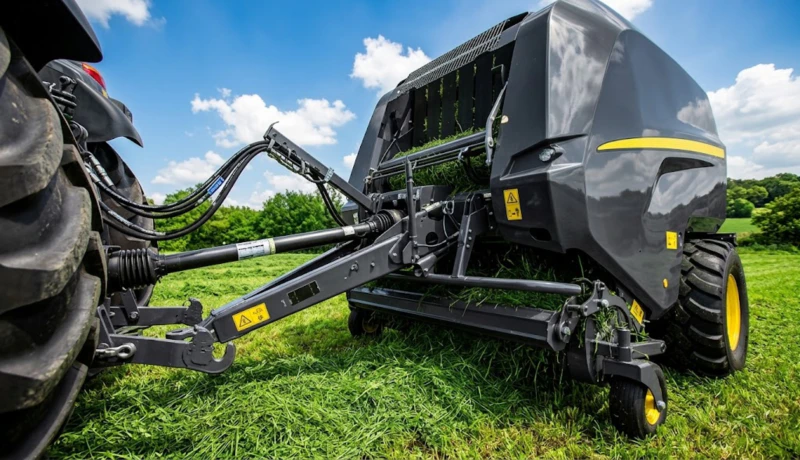
Pickup Reel Components: What Each Part Does and How Each Part Fails
A standard baler pickup reel assembly consists of five functional sub-systems. Each has a distinct operating role and a specific wear or failure mode that requires periodic inspection and maintenance.
1. Spring-Steel Tines
Tines are the crop-lifting elements — spring-steel fingers mounted radially around the pickup reel bars that penetrate into the windrow, lift the crop, and sweep it rearward to the bale intake. Most pickup reels on commercial balers carry 5–8 tines per reel bar, with 4–6 bars around the reel circumference, giving 20–48 tines in total across the pickup width.
Failure modes: Bending from stone or soil contact; fatigue fracture at the mounting point; tip wear reducing effective crop lift height.
2. Cam Track (Tine Path Guide)
The cam track is a fixed eccentric groove or rail around the inside of the pickup reel drum that controls the angular position of each tine as the reel rotates. As a tine passes through the bottom arc of the reel, the cam track holds it perpendicular to the ground to maximise crop engagement; as the tine passes the discharge point at the rear of the pickup, the cam track rotates the tine tip rearward to release the crop into the bale intake.
Failure modes: Groove wear producing sloppy tine positioning; crack or fracture in the cam rail causing sudden tine mispositioning.
3. Drive Chain
The pickup reel is driven by a roller chain from the baler’s main PTO-driven driveline. The drive chain transmits the torque required to rotate the reel at the correct surface speed relative to the baler’s forward travel — typically 1.2–1.5 times forward speed, which ensures the tines move faster than the crop is approached to allow clean pickup without pushing the windrow forward.
Failure modes: Chain stretch producing slack and skip-tooth engagement; sprocket tooth wear; insufficient lubrication causing rapid wear and link seizure.
4. Pickup Height Adjustment
The pickup reel height above the ground is adjustable via skid shoes or gauge wheels at the outer ends of the pickup reel frame. Height determines the clearance between the tine tips and the soil surface at the bottom of the tine arc, which controls both crop collection efficiency (too high = tines miss low-lying windrow material) and soil contamination risk (too low = tines drag soil and stones into the bale).
Failure modes: Skid shoe wear changing effective height; uneven height left-to-right producing inconsistent pickup across width.
5. Reel Bearings and End Seals
The pickup reel shaft rotates in sealed or greaseable bearings at each end of the reel frame. These bearings carry the reel weight and the lateral forces from the cam track’s tine path control. End seals prevent dust and debris from entering the bearing housing from the crop side, which is heavily contaminated during operation.
Failure modes: Bearing contamination from failed seals; bearing fatigue from under-lubrication; reel end play from bearing clearance increase.
Tine Inspection and Replacement: The Most Frequent Pickup Service Task
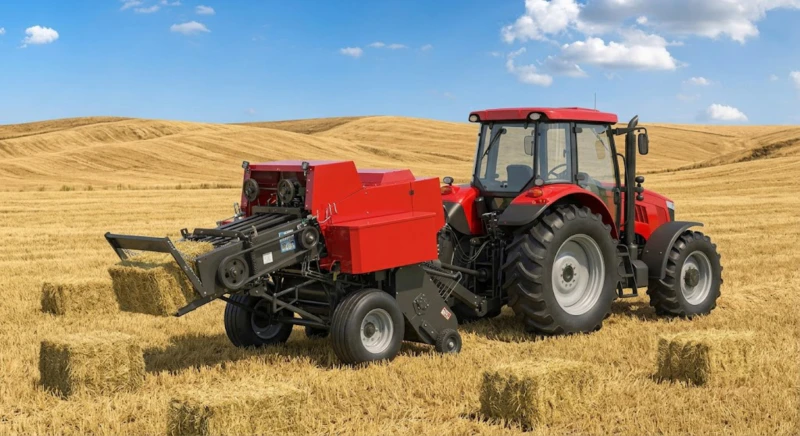
Daily Tine Inspection
Before each baling day, rotate the pickup reel slowly by hand (with the tractor engine stopped and PTO disengaged) and visually inspect every tine for the following conditions:
- Bent tines: A tine bent more than 15–20 degrees from its correct position will either fail to reach the crop at the windrow bottom or will hit the adjacent tine on the next reel bar during rotation. Either outcome reduces crop collection. Straighten minor bends with a bending tool; replace tines bent more than 30 degrees or kinked at the base — kinked tines are work-hardened at the bend and will fracture under subsequent flexing.
- Missing tines: Count tines on each reel bar and confirm none are absent. A missing tine creates a gap in pickup coverage that produces a crop stripe on the ground corresponding to the tine’s position across the pickup width. In heavy windrows, a missing tine also allows more material than normal to enter through the gap, potentially overloading the adjacent tines and bending them.
- Tip wear: Tine tips wear from abrasion against the soil surface. A tip worn to less than 80% of its original length reduces the effective penetration depth into the windrow. Replace worn tines in the pre-season rebuild or when tip length falls below the manufacturer’s minimum.
- Loose mounting bolts: Each tine is secured to its reel bar by a bolt or clip. A loose mounting allows the tine to rotate off its correct radial position, producing random misalignment. Check and tighten all tine mountings at weekly intervals during the season.
Tine Replacement in the Field
Carry a supply of replacement tines matched to your baler model on the machine or in the tractor toolbox during the baling season. Tine replacement is a 5–10 minute task per tine in the field: remove the damaged tine’s retaining bolt, slide out the old tine, insert the new tine in the correct orientation (tine tip pointing in the direction of reel rotation at the crop contact point), and tighten the retaining bolt to the manufacturer’s specified torque. Always replace in matched pairs across the reel bar to maintain balanced reel rotation — a single new tine in a bar of worn tines creates a slight imbalance that produces vibration at speed.
Cam Track and Drive Chain: The Hidden Causes of Pickup Performance Loss
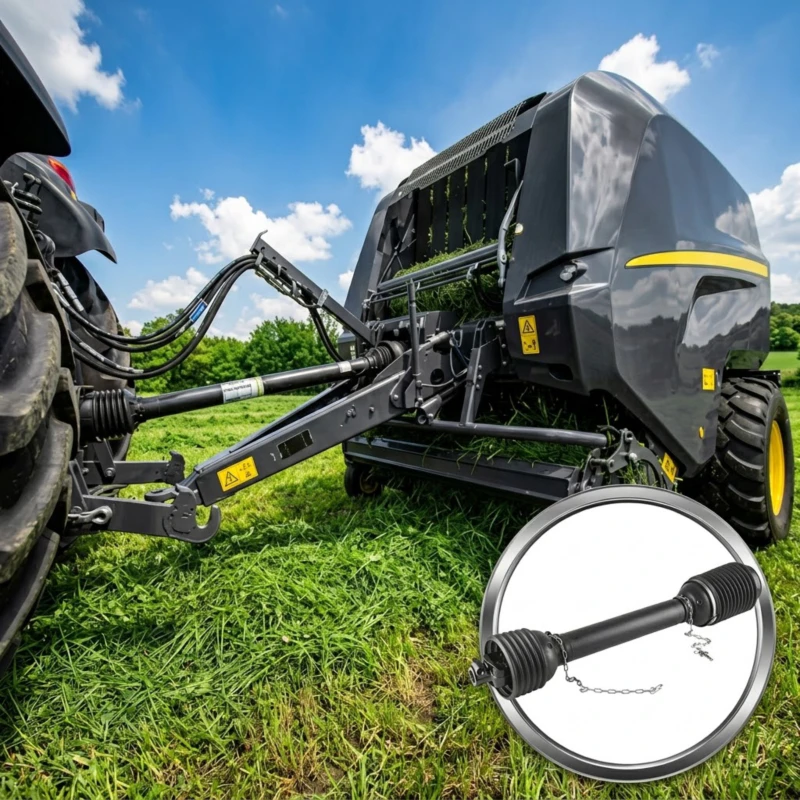
Cam Track Wear Diagnosis
The cam track groove in which each tine’s follower rides wears progressively from the repeated high-contact-force cycling of every tine through its rotation arc. Cam track wear produces sloppy tine positioning — the tines wobble slightly in their angular position rather than being held precisely by the groove. The symptoms in the field are:
- Erratic crop release: Tines that are not held precisely at the discharge angle release crop at inconsistent positions, producing uneven crop flow into the bale chamber and variable bale density across the chamber width.
- Tine-to-tine contact noise: Tines from adjacent reel bars that are slightly off their correct angular position due to cam track play may contact each other during rotation, producing a rhythmic clicking or tapping noise from the pickup reel area.
- Increased soil pickup: Tines held slightly lower than their correct position at the ground contact point dig into the soil surface rather than riding above it, producing elevated soil contamination in the bale.
To check cam track wear: with the tractor stopped and PTO disengaged, manually move a tine follower laterally within the cam groove. Acceptable play is less than 2 mm; play above 3–4 mm indicates the groove walls have worn beyond the serviceable limit and the cam track must be replaced. Cam track replacement is a workshop task — schedule it as part of the pre-season overhaul rather than as a field repair.
Drive Chain Tensioning and Lubrication
The pickup reel drive chain must be tensioned to the manufacturer’s specified deflection — typically 10–15 mm of mid-span slack on the slack side of the drive. A chain with insufficient tension (too loose) skips teeth under the sudden load surge when the pickup enters a dense section of windrow, producing an audible clunk and a momentary speed reduction that can allow windrow material to bunch rather than flow smoothly. A chain that is over-tensioned (too tight) wears the chain rollers, side links, and sprocket teeth rapidly and increases the bearing load on the reel shaft bearings.
Check chain tension at weekly intervals during the season, as chains stretch during initial break-in and more slowly thereafter. Most pickup drive chains have a tensioner sprocket or adjustable chain guide that allows tension to be restored without removing chain links — adjust the tensioner until the specified mid-span deflection is achieved, then lock the tensioner in position.
Lubricate the pickup drive chain daily in field conditions where dust and crop debris are present. Use chain oil or a light EP oil applied by brush or spray along the full chain length — the oil must penetrate between the inner and outer link plates to lubricate the roller and pin contact surfaces where wear actually occurs. A chain that appears oily on the outside but has dry internal link contacts wears at the same rate as an un-lubricated chain.
Pickup Height Adjustment: Setting the Correct Ground Clearance for Each Crop
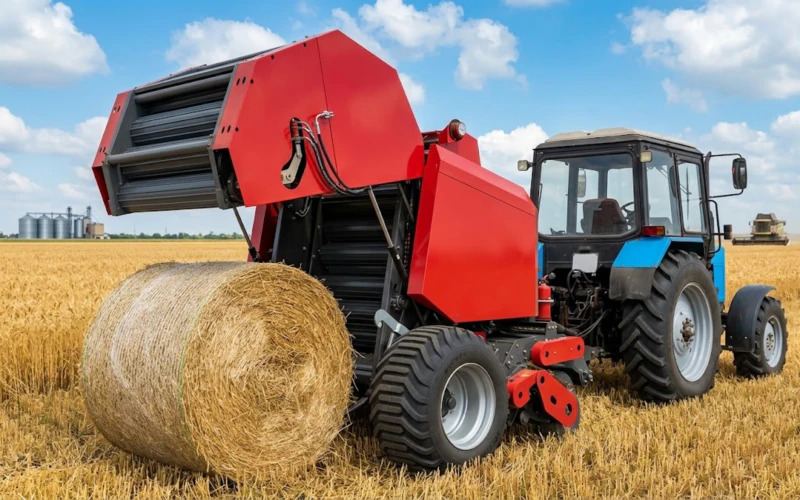
Pickup height is crop-specific and field-specific. No single setting is correct for all crops and all field conditions — the operator must adjust the height based on windrow type, soil surface condition, and the crop being baled.
Grass Hay (Thin Windrow)
Set tine clearance to 20–35 mm above firm soil. Grass hay windrows sit low to the ground after raking — tines set too high miss the bottom layer of the windrow, leaving a significant proportion on the ground. On soft or uneven soil, use the lower end of the height range and allow the skid shoes to follow ground contour actively.
Alfalfa (Fluffy Windrow)
Set tine clearance to 35–50 mm. Alfalfa windrows after raking are bulkier and sit higher than grass windrows — the pickup does not need to reach as close to the ground to collect efficiently. A higher setting also reduces leaf shatter from tines hitting the soil surface and bouncing back through the alfalfa mat at speed.
Cereal Straw (Flat, Dense Windrow)
Set tine clearance to 40–60 mm. Straw windrows in a harvested field sit on a stubble base 100–200 mm high — the pickup reel needs to clear the stubble tips without digging into the stubble base. Too low a setting in a standing stubble field causes rapid tine damage from stubble contact and elevated soil and stone ingestion.
Soft or Wet Soil Conditions
Increase height by 10–15 mm above the dry-soil setting for the same crop. Wet soil deforms under the skid shoe load, allowing the pickup to sit lower than the shoe height indicates. The skid shoes also tend to sink slightly into soft soil at the baler’s operating weight, bringing the tine tips closer to the soil surface than expected from the nominal setting.
Left-Right Height Uniformity Check
Both skid shoes must be set to the same height adjustment position. An uneven pickup — one side lower than the other — produces uneven crop collection across the pickup width, with more material collected on the low side and less on the high side. This asymmetric feed into the bale chamber produces bales that are denser on one side than the other, which causes the bale to eject asymmetrically and can cause round bale instability during storage. Check left-right symmetry by measuring the skid shoe height on both sides on a flat, firm surface — the measurement should match within 5 mm.
Pickup Reel Maintenance Schedule: Intervals and Procedures
| Component | Interval | Procedure | Replace When |
|---|---|---|---|
| Tines (visual) | Daily | Rotate reel by hand; inspect each tine for bend or damage | Bent >30°; cracked; tip worn <80% original length |
| Tine mounting bolts | Weekly | Check and torque all tine retaining bolts to spec | Stripped thread; bolt broken or missing |
| Drive chain tension | Weekly | Measure mid-span deflection; adjust tensioner to spec | Worn past pitch mark; link plate cracked |
| Drive chain lubrication | Daily | Apply chain oil along full chain length; ensure penetration between plates | — |
| Pickup height (skid shoes) | Per crop change | Adjust to crop-appropriate clearance; verify L/R symmetry | Worn below minimum thickness affecting height accuracy |
| Cam track wear | Pre-season / mid-season | Check follower lateral play in groove; compare against spec | Play >3 mm; visible groove wall cracking |
| Reel end bearings | Pre-season; grease daily if greaseable | Grease nipples; check for reel axial and radial play | Audible roughness; play exceeding manufacturer tolerance |
| Tine full set (all tines) | Every 2–3 seasons | Replace all tines simultaneously to restore consistent performance | Mixed wear levels between tines; persistent pickup losses |
Często zadawane pytania
How do I know if my pickup losses are coming from tine condition or height setting?
The pattern of crop left on the ground provides the diagnostic clue. Losses from incorrect height setting produce a uniform layer of crop across the full windrow width — the pickup is collecting the upper portion of the windrow and missing the lower portion consistently. Losses from individual bent or missing tines produce stripes of uncollected crop parallel to the direction of travel, at positions across the windrow that correspond to the lateral position of the damaged tines on the reel. If you see stripes, inspect tines; if you see a uniform carpet of missed crop, check the height setting first. In practice, both problems can coexist — confirm tine condition before adjusting height so that a height adjustment does not mask a tine problem that is also present.
My pickup reel is making a clicking noise at operating speed. What is causing it?
A regular clicking or tapping noise from the pickup area at a frequency that matches reel rotation speed (one click per revolution) typically indicates tine-to-tine contact — a tine on one reel bar is touching a tine on an adjacent bar during the rotation arc where the bars are closest to each other. The most common causes are: a tine bent outward from its correct radial position making contact with the tip of the next bar’s tine; cam track wear allowing tines to ride slightly off their correct angular position; or a new replacement tine installed in the wrong orientation (tine tip pointing the wrong direction relative to reel rotation). Stop the baler immediately and inspect the reel manually — rotate slowly by hand and listen for the contact point, then identify which tine is making contact. Tine-to-tine contact at speed can bend multiple tines rapidly if not corrected.
How often should I replace all the pickup tines at once rather than individually as they fail?
A full tine set replacement every 2–3 seasons in normal use is the appropriate planned maintenance interval for commercial baling operations. The argument for simultaneous full-set replacement rather than individual replacement as tines fail is this: after 2–3 seasons, the surviving original tines have experienced the same fatigue cycling as the tines that have already broken — they are at elevated fracture risk even if they appear visually intact. A mix of new and fatigued tines on the same reel also produces subtle differences in tine spring rate (stiffer new tines vs more compliant fatigue-softened old tines), which causes uneven crop collection across the reel width. Replacing all tines simultaneously restores uniform collection performance and eliminates the elevated fracture risk of the oldest tines. The cost of a full tine set is modest relative to the improved pickup performance and the reduced risk of a mid-season tine fracture causing further damage.
Does pickup reel speed affect crop collection efficiency and can I adjust it?
Pickup reel surface speed relative to the baler’s forward speed is a critical factor in collection efficiency. If the reel surface speed is too close to the baler’s forward speed, the tines do not overtake the approaching windrow material fast enough to lift it cleanly — instead, they push the windrow forward in front of the pickup, causing bunching and intermittent blockage. The correct reel-to-ground speed ratio is 1.2–1.5:1 — the tine tips move 20–50% faster than the baler’s forward speed. On most balers, reel speed is fixed by the gearing from the PTO-driven main driveline and cannot be easily adjusted in the field. However, the effective ratio changes with forward speed — increasing forward speed reduces the ratio and increasing PTO speed increases it. If bunching is occurring, try reducing forward speed slightly rather than increasing throttle, as reducing speed increases the tine speed-to-ground speed ratio and typically resolves the bunching. Confirm the tractor is running at the correct PTO speed (540 or 1,000 rpm as specified for the baler) — operating below rated PTO speed reduces both the reel and bale chamber speeds below their design parameters.
Conclusion: The Pickup Reel Is Where Baling Efficiency Starts
Every inefficiency in the pickup reel produces a direct reduction in baling output — crop left on the ground, uneven bale density, blockages that stop the operation, and wear on downstream components trying to process inconsistent crop flow. A pickup reel in full service — tines intact and correctly oriented, cam track within wear limits, drive chain correctly tensioned and lubricated, height set for the crop — is the foundation on which everything else in the baling system depends.
The daily five-minute tine inspection, the weekly chain tension check, and the pre-season cam track and bearing assessment are small investments that protect the much larger investment represented by the rest of the baling operation. Pickup reel maintenance is not glamorous, and it does not receive the same attention as knotter failures or PTO shaft problems because its consequences are diffuse — a percentage of crop left on the ground rather than a dramatic mechanical failure — but those diffuse losses accumulate across an entire season into a meaningful reduction in the farm’s forage output and revenue.
Balers with Robust Pickup Reel Systems — Factory Direct from Balershay
We supply the full range of round balers and large square balers with proven pickup reel systems — plus technical support and spare parts including tine sets, cam track components, and drive chain kits. Visit balershay.com or contact our team for pickup reel parts specifications and availability.