
The science and practice of hay moisture management — why 18% is the critical threshold, how to measure moisture accurately in the field, what happens inside a wet bale during storage, and how to adjust the baling operation when conditions do not cooperate
Ask any experienced hay farmer what the single most important quality factor in hay production is, and the answer is almost always the same: moisture at baling. Too wet and the bale heats, moulds, and potentially ignites in storage. Too dry and the leaves shatter during baling, taking the most nutritious fraction of the crop with them as dust. Between these two failure modes lies a workable window — but it is a narrower window than many beginning farmers expect, and missing it on either side produces consequences that no amount of good crop management before baling can reverse.
The 18% figure that forms the upper moisture threshold for baling is not arbitrary. It is the moisture content at which the microbial and chemical processes that produce heat, mould, and dry matter loss inside a sealed bale shift from manageable to problematic. Below 18%, these processes occur but at rates slow enough that a well-formed bale stored correctly will preserve the majority of its nutritional value through a normal storage period. Above 18% — and especially above 20–22% — the same processes accelerate to the point where significant dry matter and quality losses are inevitable, and fire risk from spontaneous combustion becomes a real concern in large hay stacks.
This article covers the biology of what happens inside a wet bale, the 18% threshold and why it matters, how to measure moisture accurately in field conditions, crop-specific drying characteristics, how to manage partial-moisture risk with preservative treatment, and the PTO shaft and baler operational considerations that change at different moisture levels.
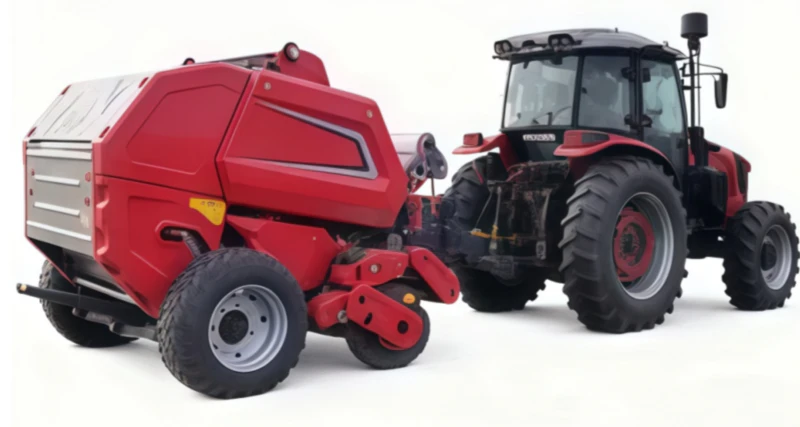
What Happens Inside a Wet Bale: The Biology of Heating and Mould
Understanding what actually happens inside a bale stored at above-threshold moisture makes the 18% rule intuitive rather than arbitrary. The processes are biological and chemical, and they are driven by the moisture available to support microbial activity.
Phase 1: Initial Aerobic Heating (Days 1–7)
Immediately after baling, any oxygen trapped between the crop stems within the bale supports aerobic respiration by bacteria, yeasts, and moulds already present on the plant material. This aerobic respiration consumes plant sugars and produces heat, CO₂, and water vapour. The heat generated raises the bale’s core temperature — a process that occurs to some degree in every bale regardless of moisture, but is both faster and more intense in wetter bales where higher water activity supports more vigorous microbial growth.
In a bale baled at 14–16% moisture, this initial heating phase produces a core temperature of 40–50°C over 3–7 days before the oxygen is consumed and microbial activity falls. Dry matter losses during this phase are typically 1–3%. In a bale at 20–25% moisture, the same phase produces temperatures of 55–70°C and dry matter losses of 5–12% before oxygen depletion.
Phase 2: Mould Development (Weeks 2–6)
After the initial aerobic phase, the bale interior becomes largely anaerobic. In a dry bale (below 18%), the reduced water activity at this stage limits further mould growth to the outer 50–100 mm where rain and atmospheric moisture can reach. In a wet bale (above 18%), sufficient moisture remains in the bale interior to support continued mould proliferation through the anaerobic transition. Thermophilic moulds — heat-tolerant species that thrive at 45–60°C — produce further heating, extending the temperature rise and causing additional dry matter losses.
Mould growth reduces the protein content of the hay by consuming plant proteins as a carbon and nitrogen source. A bale moulded through 30% of its volume may lose 15–25% of its original crude protein content, significantly reducing the feeding value of the hay regardless of how well the original crop was grown.
Phase 3: Spontaneous Combustion Risk (Above 25% Moisture)
When hay is baled above approximately 25% moisture, the thermophilic heating phase can reach temperatures of 70°C or above. At these temperatures, exothermic chemical oxidation of the plant material begins to supplement the biological heat generation — a process that, in the worst case, can become self-sustaining and lead to spontaneous combustion within a hay stack. Hay barn fires caused by wet bales are well-documented in agricultural safety records in every hay-producing region of the world. The risk is highest in large stacks of closely packed bales where the heat cannot dissipate, and where the interior of a wet bale can reach the ignition point of dry plant material while the exterior of the stack still feels cool. Never stack or barn bales at above 20% moisture without a monitoring programme — and never stack bales above 25% moisture in a structure.
Measuring Moisture Accurately: Tools, Techniques, and Their Limitations
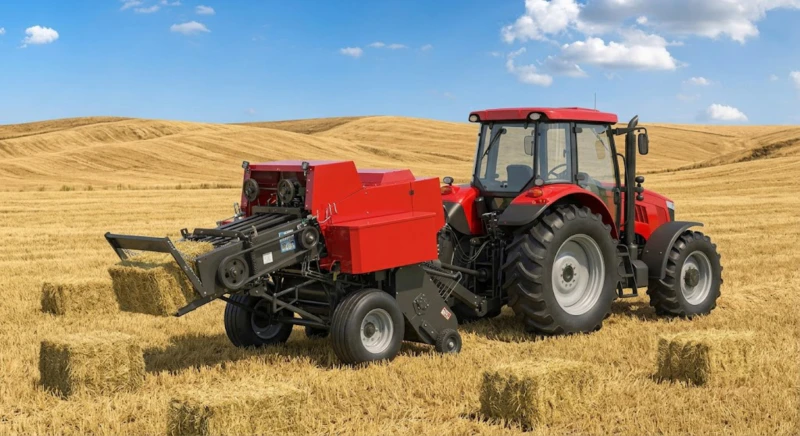
Handheld Probe Moisture Meters
The most common field measurement tool is the handheld electrical resistance or capacitance moisture meter with a probe that is inserted into the windrow or a grabbed handful of hay. The meter measures the electrical conductivity of the crop material — which increases with moisture content — and converts this to a percentage moisture reading.
Accuracy limitations: probe meters read the moisture of the material in contact with the probe tips, which is typically the stem surface rather than the interior. Stems dry from the outside in, so a stem that reads 16% at its surface may have a 22–24% interior moisture content — particularly in thick-stemmed crops like mature alfalfa. Take multiple readings across the windrow cross-section and average them; accept the highest reading as the control value, not the average.
Grab and Feel Test (Experienced Operator)
Experienced hay farmers use a simple manual test: grab a handful of windrow hay and twist it firmly in both hands. If the stems break cleanly with a snap and the handful feels dry and rough, the crop is likely below 18%. If the stems flex without breaking and the handful feels cool and slightly damp, the crop is likely above 18%. If the stems are pliable and the palm becomes visibly damp from plant sap, the crop is certainly too wet.
This test is quick and requires no equipment but is influenced by the operator’s experience and subjective threshold. It is best used as a rapid screening test before confirming with a meter reading on borderline crops, not as a substitute for measurement.
In-Baler Moisture Sensing Systems
Modern commercial balers increasingly offer in-bale moisture sensing — capacitance sensors mounted in the bale chamber that continuously monitor the moisture of crop as it is compressed into the bale and log or display the reading in real time via the baler’s control system. This is the most reliable moisture measurement method because it samples the crop at the moment and position of baling, across the full width of the pickup reel, rather than from spot measurements in the windrow.
In-baler sensing systems allow the operator to see when moisture rises above threshold as the baler moves from a drier section of the field to a damper hollow, and to stop baling before a sequence of wet bales is produced. For commercial contractors who provide moisture data to clients as part of a quality guarantee, in-baler moisture logging provides a verifiable record for each bale session.
Crop-Specific Drying Characteristics: How Long Different Crops Take to Reach Safe Moisture
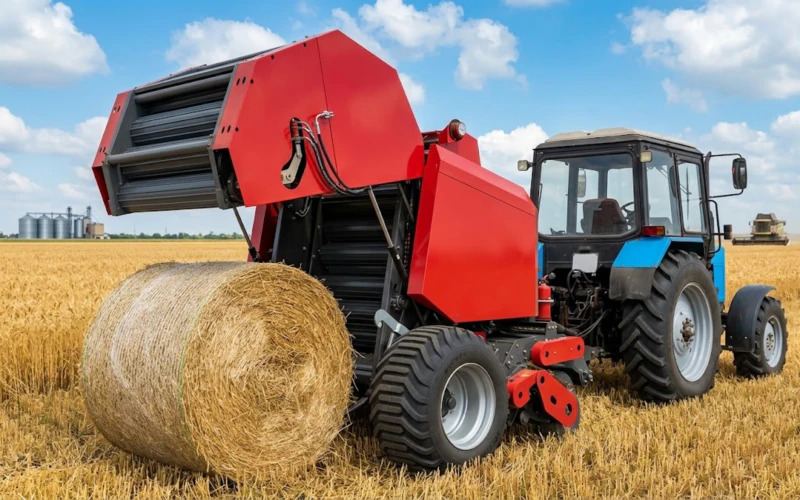
Different crop species have markedly different drying rates from cutting to safe baling moisture, due to differences in stem thickness, wax coating on the leaf and stem surface, swath density, and the ratio of leaf to stem in the plant. Understanding your specific crop’s drying characteristics prevents both premature baling (crop still too wet) and over-drying (excessive leaf loss in alfalfa and legumes).
Perennial Ryegrass
Drying rate: Fast. Thin, smooth stems with low wax coating dry rapidly in warm, breezy conditions. In good drying weather (20°C+, RH below 60%, light wind), ryegrass can reach 18% moisture in 24–36 hours from cutting if tedded within 2 hours of mowing. Without tedding, 36–60 hours. The leaf dries significantly faster than the stem — always measure stem moisture, not just the overall feel of the windrow.
Alfalfa (Lucerne)
Drying rate: Moderate stem, fast leaf. The alfalfa leaf dries to below 18% in 12–24 hours in good weather; the thick main stem takes 36–72 hours to reach the same moisture. This mismatch is the core of the alfalfa drying problem — by the time the stems are dry enough to bale, the leaves are over-dry and shatter during baling. Conditioners (crimpers or rollers) that crush the stem wax layer at cutting speed stem drying by 30–50%. Bale in the late afternoon when leaf moisture has recovered slightly from morning dew.
Tall Fescue and Cocksfoot
Drying rate: Slow. Heavy, dense stems with waxy surface coatings dry significantly more slowly than ryegrass. In the same drying conditions, tall fescue requires 48–96 hours to reach safe baling moisture, and swath centres where crop density is highest may remain above threshold even when the outer edges feel dry. Aggressive tedding on day 1 and raking to a consistent narrow windrow on day 2 are essential management practices for fescue hay.
Wheat and Cereal Straw
Drying rate: Very fast post-harvest. Straw left by the combine has already been through the crop’s natural drying process — at harvest time in a typical cereal crop, straw moisture is 8–12% and rarely presents a baling-too-wet problem. The moisture risk with straw is re-wetting after rain, not initial moisture content. Bale within 48 hours of the combine passing; each rain event adds 2–6% moisture and leaches water-soluble nutrients from the straw surface.
The Morning vs Afternoon Moisture Difference
In many climates, cut hay in the windrow reaches its daily minimum moisture in mid-to-late afternoon (2–5 pm) after several hours of solar drying, and rises again from early morning dew deposition (midnight to 9 am). The difference between morning and afternoon windrow moisture can be 4–8 percentage points for the same crop on the same day. If you measure 20% moisture at 9 am and the forecast is good, the same crop may be at 14–16% by 3 pm — do not bale in the morning and assume the afternoon reading will also be too high. Conversely, do not bale in the afternoon on a high-humidity day assuming yesterday’s afternoon dryness will persist into the next morning.
Baling at Higher Moisture with Preservative Treatment: Propionic Acid and Alternatives
When weather conditions do not allow hay to dry below 18% before a rain event is forecast, farmers face a choice between baling too wet and losing the hay to rain. Chemical preservative treatment — applying a mould inhibitor to the bale at the time of baling — extends the safe baling moisture window upward, allowing baling at 18–25% moisture without the mould and heating losses that would otherwise occur.
Propionic Acid: The Standard Preservative
Propionic acid is the most widely used hay preservative. Applied at rates of 3–8 kg per tonne of hay (depending on moisture content and storage duration), propionic acid lowers the pH of the bale interior to a level that inhibits the growth of aerobic moulds and heat-producing bacteria. The acid is applied via a spray nozzle fitted to the baler’s intake or bale chamber, either as pure propionic acid or as an ammonium propionate buffer solution.
At 18–20% moisture, a propionic acid application at the lower rate effectively prevents the heating and mould development that would otherwise occur. At 20–25% moisture, higher rates and more uniform application are required. Above 25%, propionic acid treatment becomes less reliable as the water activity is simply too high for the acid to fully suppress microbial activity.
Practical Limitations of Preservative Treatment
- Coverage uniformity: The preservative must contact every part of the crop mass being baled to be effective — a single dry pocket in the bale interior that does not receive acid is a mould initiation site. Spray systems that apply preservative at the pickup reel provide better coverage than systems that apply at the bale chamber wall. Validate your application system’s uniformity before relying on it for high-value crops.
- Cost vs risk: Propionic acid treatment adds cost — both the chemical cost and the capital cost of the application system. The correct calculation is whether the cost of treatment is less than the expected loss from baling without treatment at the current moisture level, which it almost always is when moisture is 20–25%.
- Not a substitute for management: Preservative treatment is a risk management tool for borderline moisture situations, not a routine substitute for proper drying management. Consistently baling above 18% because preservative is available accepts higher input costs and reduced quality compared with well-managed drying to below 18% in normal conditions.
PTO and Baler Operational Considerations at Different Moisture Levels
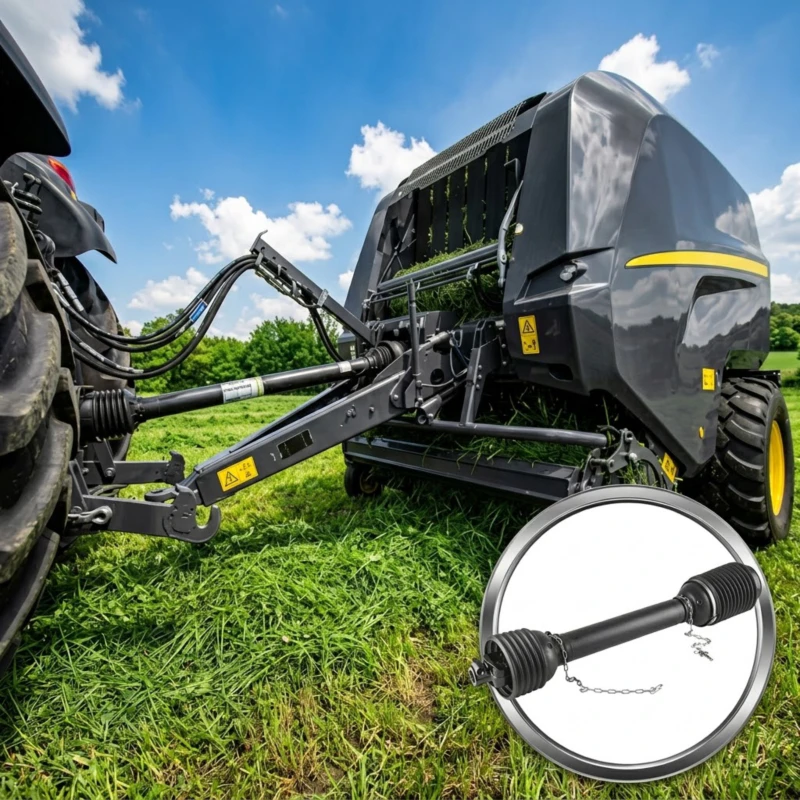
Crop moisture content affects baler operation as well as bale quality. Understanding how the baler behaves differently at different moisture levels helps the operator anticipate and prevent problems rather than reacting to them after they occur.
PTO Load and Bale Weight
Wet hay is significantly heavier than dry hay at the same volume. A round bale of grass at 25% moisture weighs 20–30% more than the same bale at 14% moisture for the same bale diameter. This increased weight directly increases the torque required to rotate the bale in the chamber (round baler) and the drawbar pull required to move through the field. Monitor tractor PTO load carefully when baling at higher moisture and reduce forward speed if the tractor is approaching its PTO limit.
Pickup Reel and Intake Blockages
Wet crop material is heavier and stickier than dry material, increasing the risk of pickup reel blockages — particularly when the windrow is thick or the crop includes clover or legume species with sticky leaves. If blockages become frequent, reduce forward speed rather than clearing the pickup repeatedly. A blocked pickup with the tractor still moving is both a mechanical damage risk and a PTO shaft overload event that engages the slip clutch hard.
PTO Shaft Slip Clutch Setting
The PTO shaft slip clutch must be set to a torque above the normal maximum running torque of wet-crop baling but below the tractor’s PTO gearbox damage threshold. If you set the clutch for dry hay baling and do not re-check it before baling wetter crop, the clutch may be set too tightly — allowing overload torque to reach the baler’s mechanical components rather than slipping to protect them. Verify slip clutch engagement torque against the baler manufacturer’s specification at the start of each crop type change.
Baler Belt and Roller Cleanliness
Wet crop deposits plant sap, fine particles, and leaf debris on baler belts and rollers much more rapidly than dry crop. This buildup reduces belt friction on the tension rollers and can cause belt slippage at the density settings that worked correctly for the same pressure with dry material. Clean belt surfaces and scraper bars at lunch and at end of day when baling above 18% moisture. Carry belt cleaning solution or a wire brush for clearing sap-clogged belt surface grooves during longer sessions.
Bale Moisture Quick Reference: Thresholds, Risks, and Actions
| Moisture at Baling | Storage Risk | DM Loss (6 months) | Recommended Action |
|---|---|---|---|
| Below 14% | Minimal — leaf shatter risk (alfalfa) | 3–6% | Ideal for long storage. Reduce chamber pressure slightly for alfalfa. |
| 14–18% | Low — safe zone for most crops | 5–10% | Bale with confidence. Standard storage conditions adequate. |
| 18–22% | Moderate — heating and mould likely | 10–20% | Apply preservative. Store loosely with air gaps between bales. Monitor temperature. |
| 22–25% | High — significant quality loss certain | 20–35% | High-rate preservative essential. Do not barn. Feed out within 6–8 weeks. |
| Above 25% | Severe — fire risk in stack | 35%+ | Do not bale for dry storage. Consider silage wrapping instead. |
Frequently Asked Questions
My hay tested at 17% in the windrow but the bales are heating. What went wrong?
The most common explanation is that the 17% reading came from the outer surface of the windrow, which dries faster than the windrow centre or the interior of thick stems. A probe meter reading taken from the top of the windrow can underestimate the moisture of the windrow centre by 3–6 percentage points. The other possibility is that conditions changed between measurement and baling — morning dew or a brief light shower that was not enough to visibly wet the windrow but added 2–3% surface moisture in the hour before baling. Always probe the windrow centre and base, not just the top layer, and measure immediately before baling begins rather than relying on a reading taken earlier in the morning.
How do I know if a stored bale is heating dangerously without opening it?
Three external signs indicate dangerous heating in stored bales. First, visible steam or vapour rising from the stack in cool morning air — this is water vapour produced by intense microbial heating escaping through the bale surface or stack gaps. Second, a caramel or tobacco-like sweet smell near the stack — this indicates the Maillard reaction occurring at temperatures above 55–60°C, which produces brown discolouration and characteristic odour before visible combustion. Third, the stack surface is warm or hot to the touch. A thermometer probe inserted into the stack centre can confirm temperature — below 45°C is normal initial heating; 45–60°C requires monitoring; above 60°C requires immediate action (spread bales to allow cooling; keep fire-fighting water accessible; notify local fire service). Do not allow anyone to enter a hay barn with a hot stack without a second person present outside and an exit route clear.
Is the 18% threshold the same for all crops or does it vary?
The 18% threshold applies specifically to grass and legume hay intended for dry storage. The threshold varies by crop and intended use. For straw, the practical threshold is lower — 14–16% is typically cited as the safe limit for straw stored in large stacks, because straw’s high C:N ratio and carbon content provide more fuel for mould heating than grass hay per unit of moisture. For silage grass (intended for fermentation wrapping), the crop is baled at 40–65% moisture by design — the anaerobic fermentation process is the preservation mechanism rather than drying. For cotton stalk and biomass residues, moisture below 20% at baling is the general guidance for biomass combustion value, with no significant heating risk in the range of 15–22% because the material is typically fed out quickly to a power plant rather than stored long-term.
Can I re-dry bales that were baled too wet by leaving them in the field?
Round bales left in the field after baling will lose moisture from their outer surface through evaporation — but the bale interior, where moisture-related problems occur, does not dry significantly unless the bale is broken open. A round bale’s outer layer acts as insulation and a moisture barrier that slows interior drying to a very low rate. If bales were baled at 20–24% moisture and the subsequent weather is dry and warm, the outer 100–150 mm may dry below 18% within 2–4 weeks — but the interior remains near the original baling moisture for weeks or months. The practical answer: bales baled too wet cannot be effectively re-dried by field standing. Apply preservative at baling if you anticipate the moisture is borderline, or feed the bales out as quickly as possible to livestock who can consume them before significant mould and heating losses occur.
Conclusion: Moisture Management Is the Non-Negotiable Foundation of Hay Quality
Every other quality decision in hay production — cutting stage, tedding, raking, density setting, binding type — is secondary to the moisture content at baling. A bale of early-cut, high-nutrient-value hay baled at 24% moisture will end up as a moulded, poorly preserved product with a fraction of its original feeding value. The same crop baled at 15% moisture, even with less-than-ideal bale density or binding, will preserve most of its nutritional value through a normal storage period.
Measuring moisture at multiple points in the windrow immediately before baling, understanding the morning-afternoon moisture cycle, knowing your crop’s specific drying behaviour, and having a preservative treatment system available for borderline days — these are the management practices that keep moisture-related losses to a minimum across a full hay season. The baler is the last machine to handle the crop before it enters storage; moisture management in the hours before the baler arrives determines what the baler has to work with.
Round Balers and Square Balers for Quality Hay Production — Factory Direct from Balershay
We supply the full range of round balers and large square balers for hay, silage, and straw operations — from the EP-9YK-870 mini round baler for 25–50 hp tractors to the EP-9YFQ-2290XD for commercial hay production. Visit balershay.com to explore our range, or contact our team for technical guidance on baler selection and setup for your crops and conditions.